
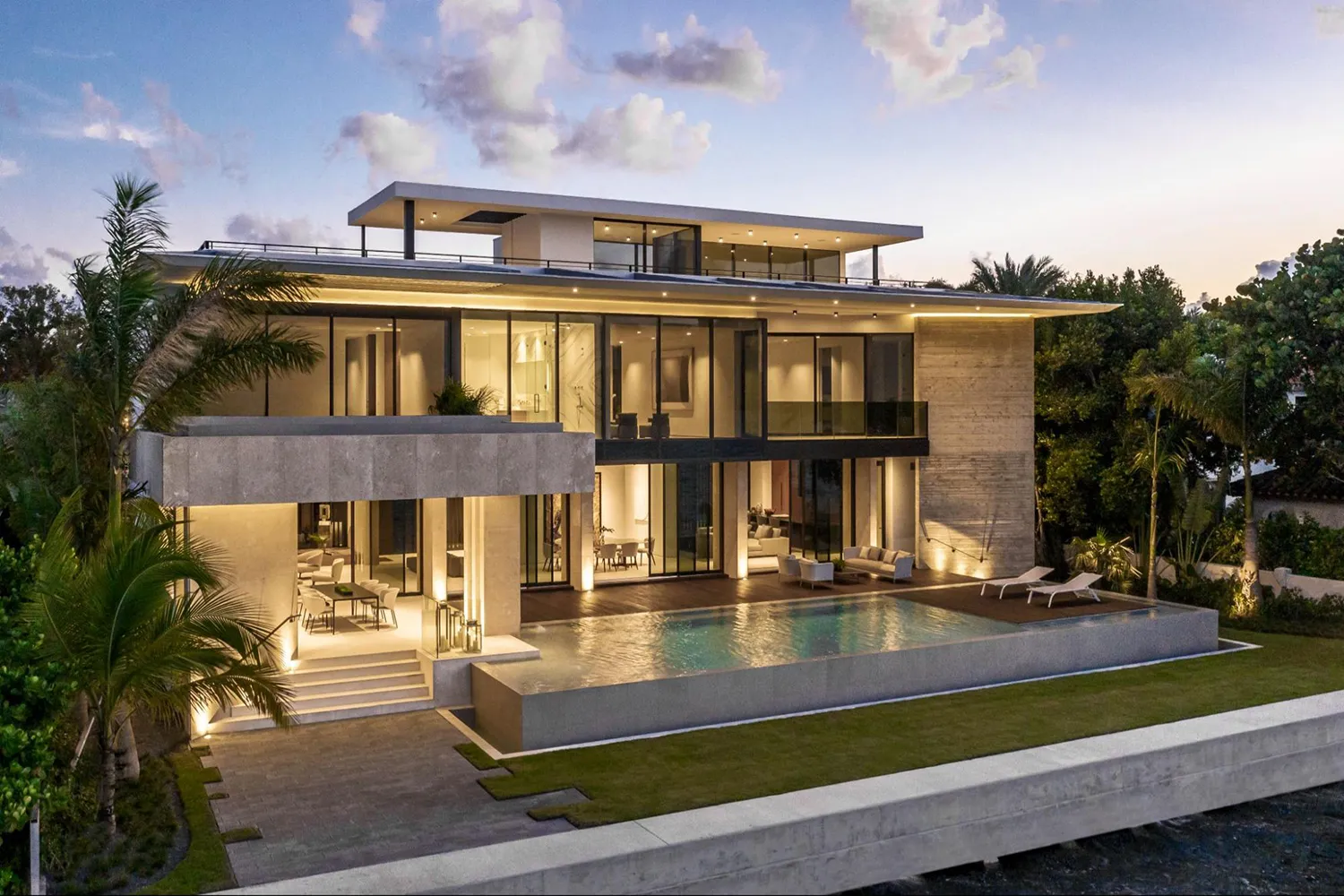
Indoor outdoor living spaces have become a defining feature of modern home design, especially in regions like South Florida, where climate and lifestyle naturally invite open, flexible layouts. These spaces create a seamless extension between the home’s interior space and exterior environments, maximizing natural light, airflow, and usable square footage.
Key Takeaways:
Seamless Transition is Structural
Achieving true indoor-outdoor flow depends on architectural precision, specifically aligning floor levels and integrating retractable glass walls or slim-profile sliding doors to eliminate visual and physical barriers.
Top 2025 Trends are Functional
The leading ideas for modern blended spaces include integrated outdoor kitchens, luxury pools with built-in lounging areas, and covered verandas engineered for year-round South Florida comfort.
Durability Requires Intentional Material Choices
Coastal environments demand durable, climate-ready materials. Choose UV-resistant fabrics, marine-grade hardware, and finishes like teak, ipe, or porcelain that withstand humidity and salt air, ensuring low maintenance.
High-Quality Design Increases Home Value
A meticulously planned and executed indoor-outdoor living area is a top upgrade that can increase property value by 8–12%, underscoring the necessity of partnering with an experienced general contractor for structural integrity and refined finishing.
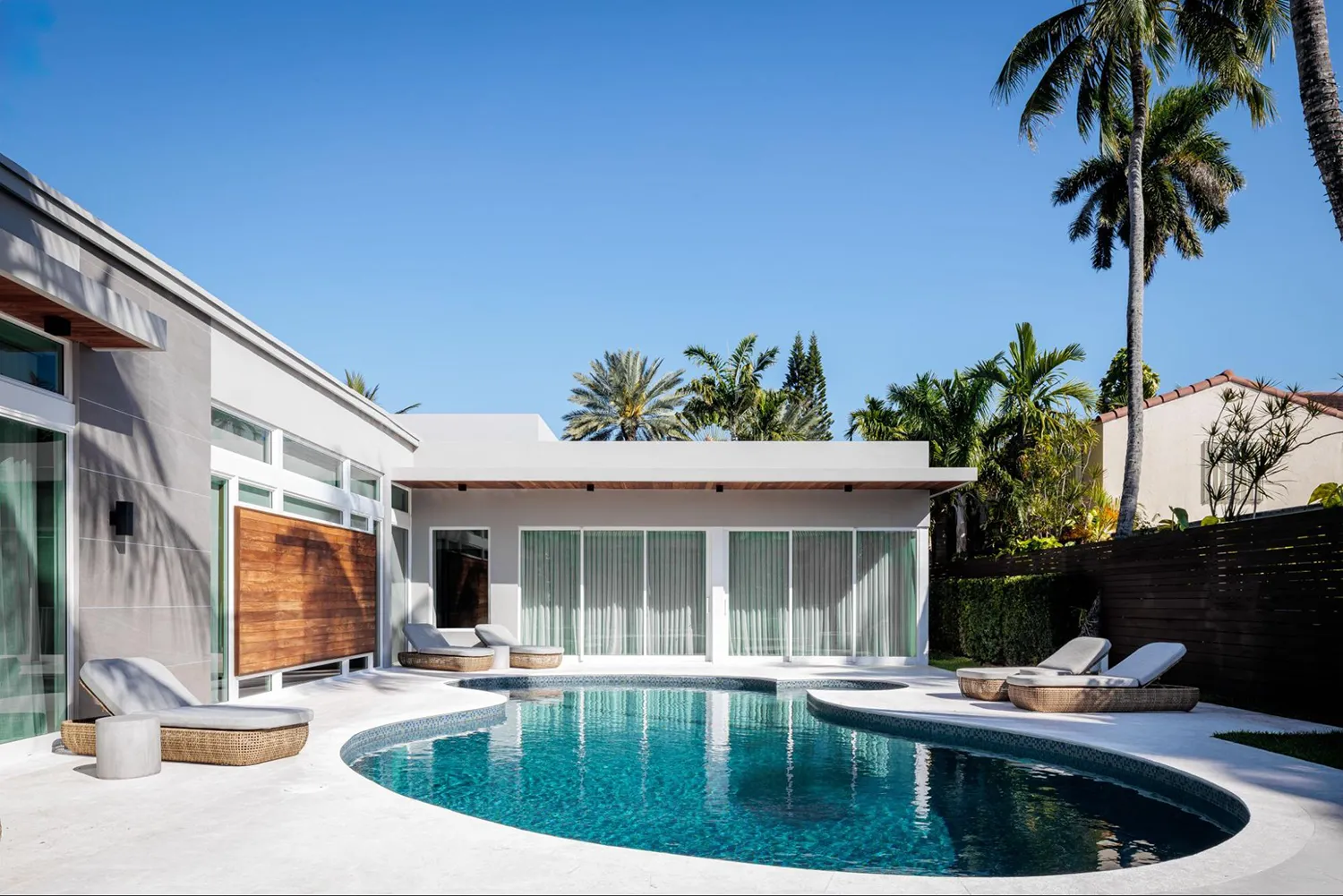
Today’s homeowners increasingly seek indoor outdoor room ideas that balance aesthetics with function. They often integrate elements like retractable glass walls, sliding doors, and continuous flooring materials to unify both zones. The result is a living environment that supports entertainment and daily comfort with architectural precision.
HCD Group’s South Florida general contractors have spent decades designing unique living spaces in a wide array of architecture styles. We know how to build spaces for any use, including indoor outdoor living.
Our guide breaks down key considerations for designing and building an indoor outdoor living space that performs as beautifully as it looks. It will cover architectural features, material choices, and design strategies that elevate comfort and long-term durability.
Benefits of Indoor-Outdoor Living Spaces
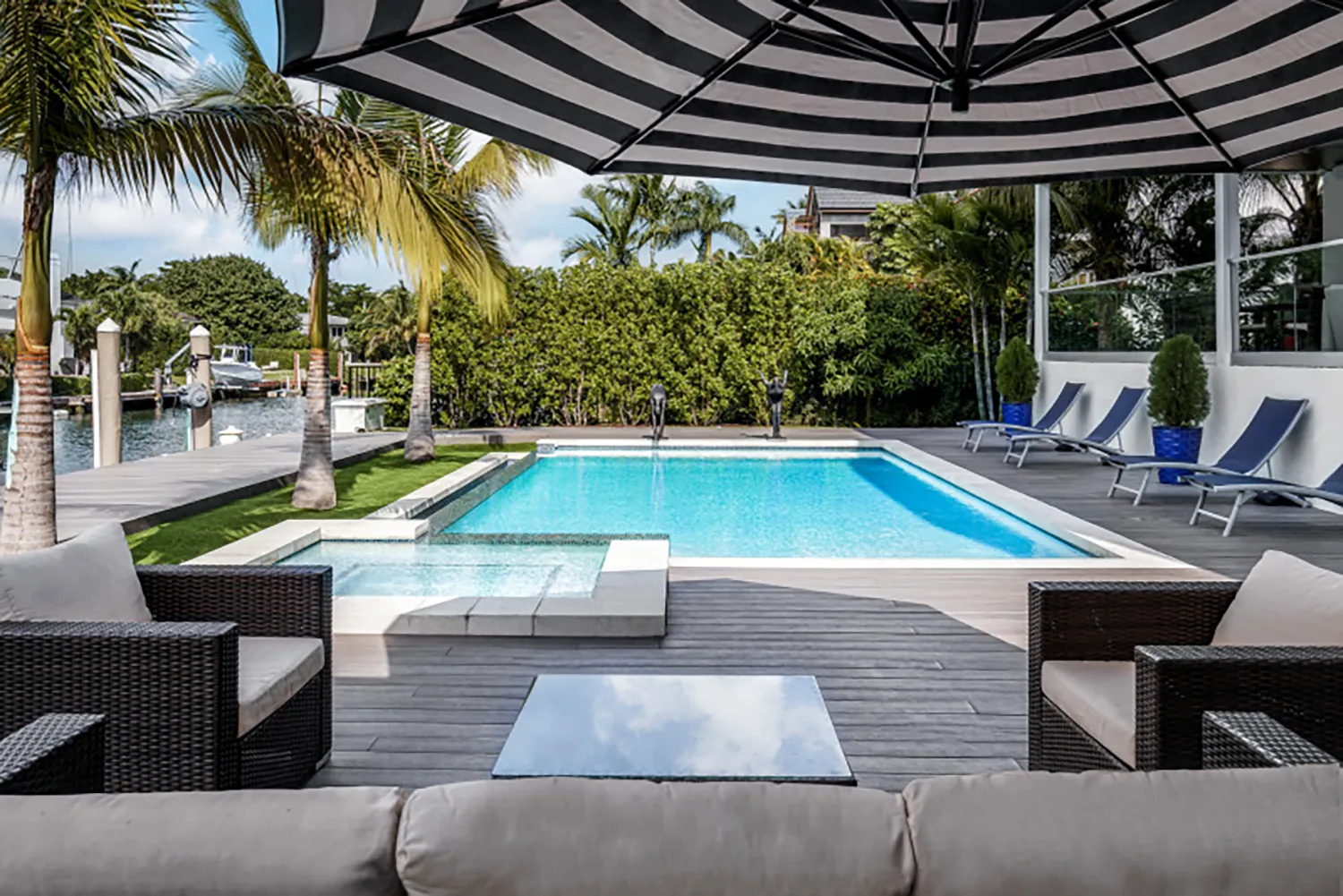
The appeal of blending indoor outdoor living lies in its effortless sense of connection.
By removing visual and physical barriers, these outdoor spaces extend the home’s footprint and create a fluid transition between interior comfort and open-air freedom. The result is a lifestyle that embraces South Florida’s natural light, warmth, and coastal breeze year-round.
Architecturally, large sliding or folding glass doors open entire walls to the outdoors, while expansive windows or pass-through counters connect kitchens to patios and pool decks. When designed with aligned floor levels and continuous materials, these transitions allow movement between areas without interruption.
Indoor / Outdoor spaces also promote a deeper connection to the surrounding environment
Incorporating natural textures, like stone, wood, or greenery, creates a visual rhythm that links the home to its landscape. In South Florida, where ocean views and tropical vegetation often frame the property, that connection becomes part of the home’s identity.
Beyond aesthetics, indoor outdoor living enhances everyday function. Entertaining becomes more natural, airflow improves, and light filters deeper into the home. Families gain flexible indoor and outdoor spaces that adapt to quiet mornings, social evenings, and everything in between.
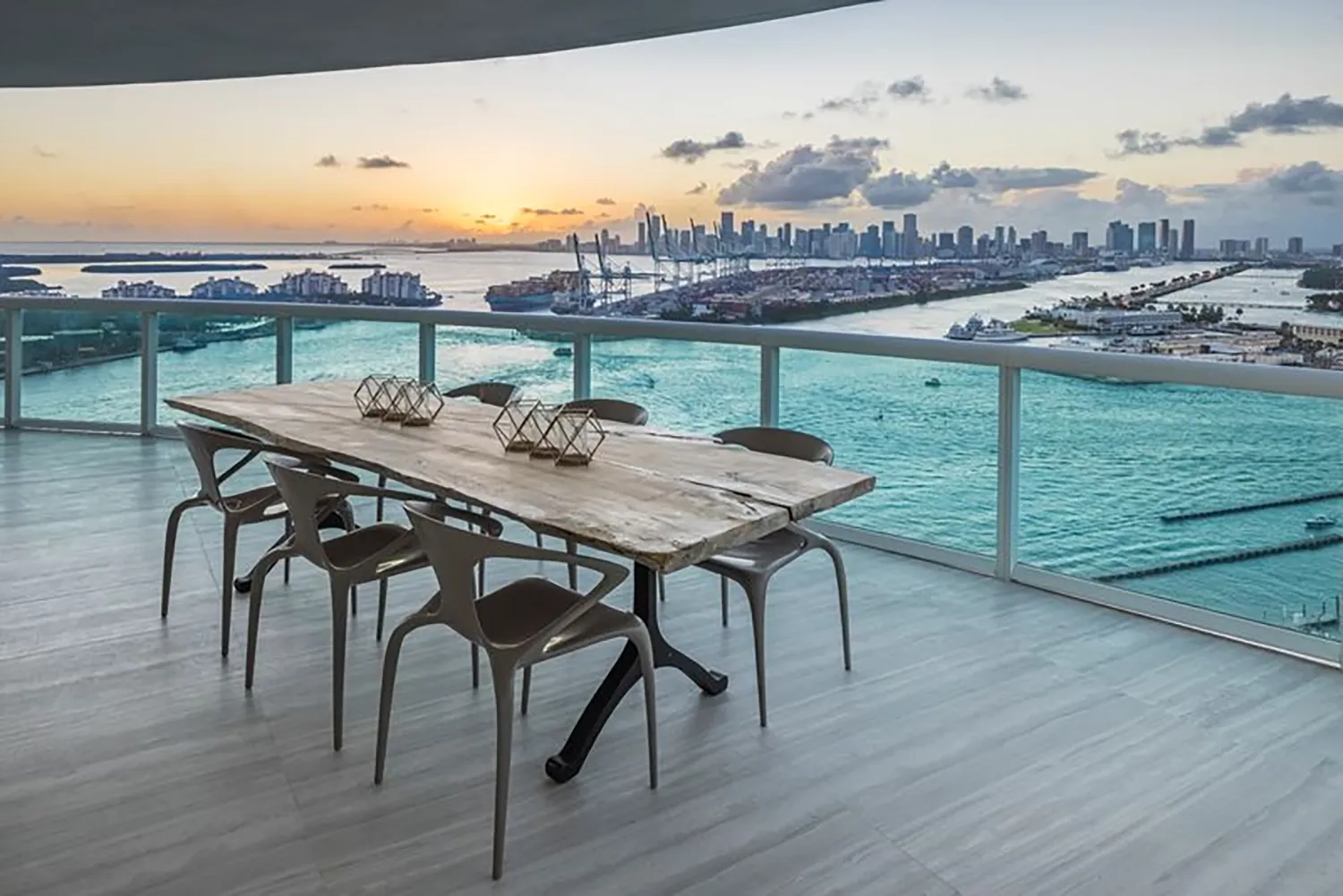
Popular Indoor-Outdoor Living Space Ideas in 2025
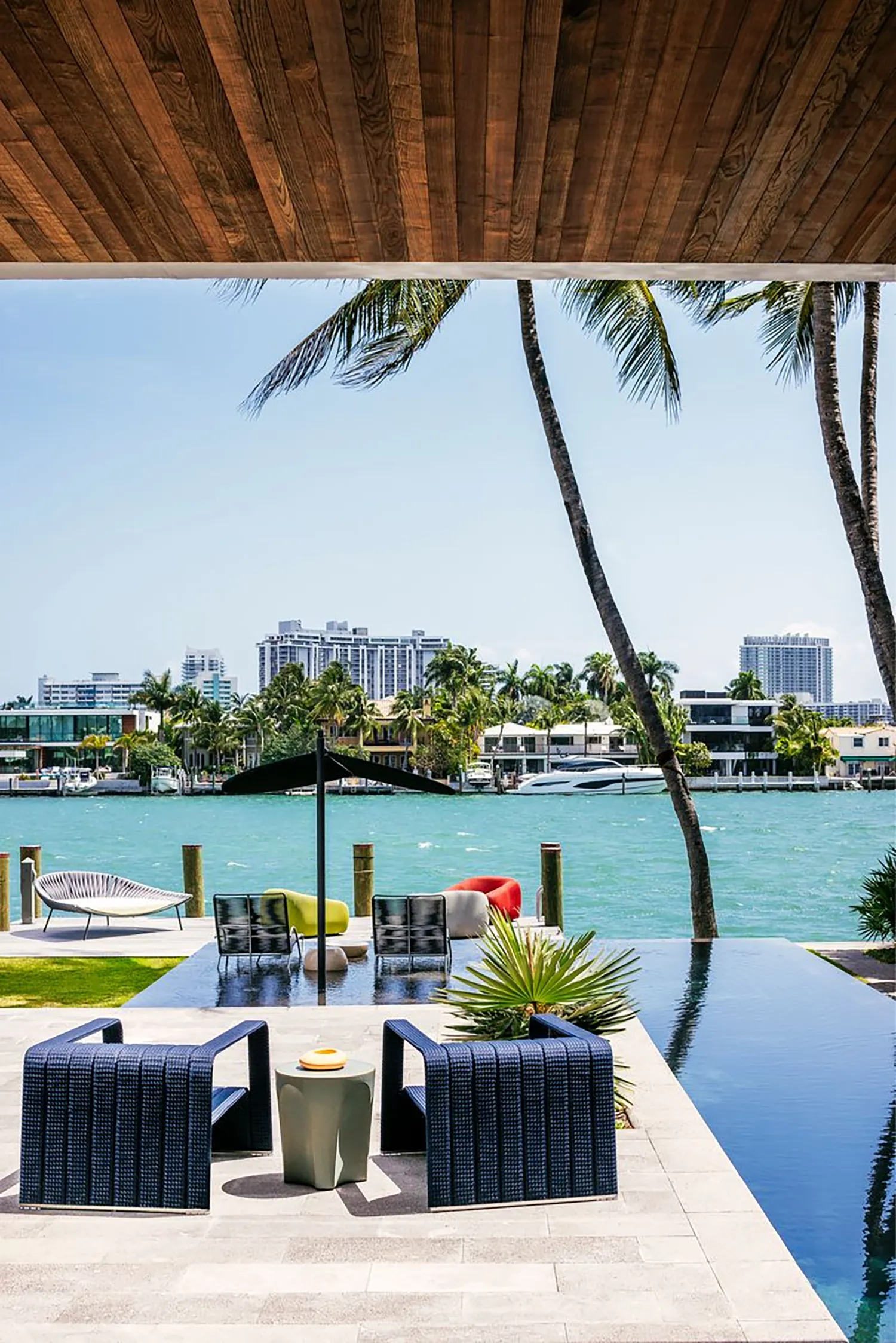
Outdoor kitchens remain at the forefront of indoor outdoor design in 2025, enhancing everyday living and entertaining. Placing an outdoor kitchen adjacent to the main kitchen allows for easy movement of food and guests, while continuous floor levels and matching materials create seamless flow between interior and exterior spaces.
A well-equipped setup might include spacious grills, refrigeration, sinks, and ample counter space for meal prep and serving. When planned well, these features turn patios and pool decks into extensions of the home itself, where the kitchen becomes the bridge between inside and out.
Retractable Glass Walls & Floor-to-Ceiling Windows
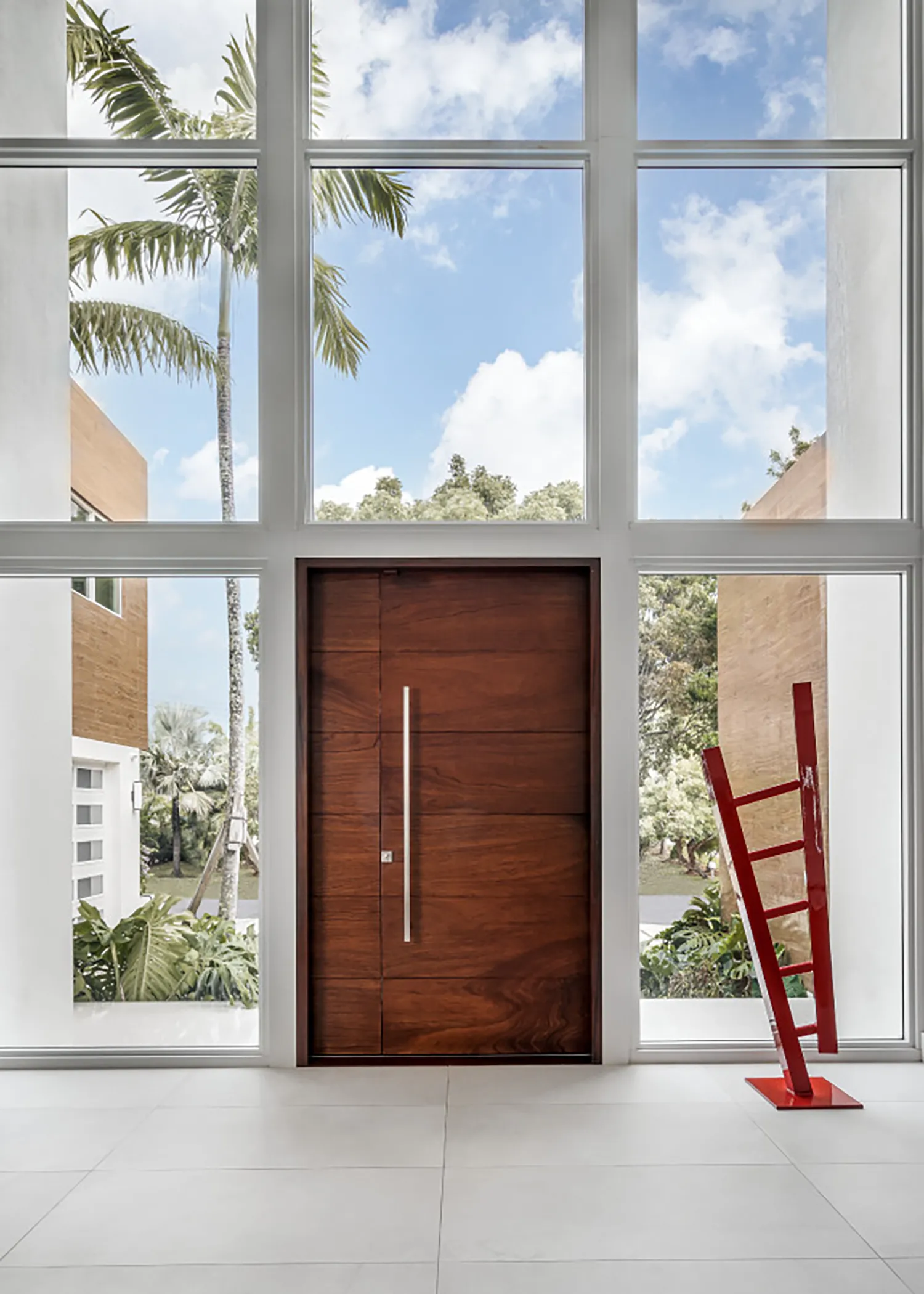
Light. Air. Openness.
Retractable glass walls erase boundaries between indoors and out, creating a façade that adapts with the weather and time of day. Floor-to-ceiling windows frame palm canopies or coastal views while flooding interiors with warm, natural light.
Key Design Tips:
- Opt for energy-efficient, low-E, hurricane-rated glass that blocks UV rays and resists corrosion in coastal air.
- Align interior and exterior floor levels for a seamless threshold, using recessed or flush sills to eliminate trip points.
- Integrate concealed drainage and flush tracks to preserve flow and safety.
Luxury Pools with Integrated Lounging Areas
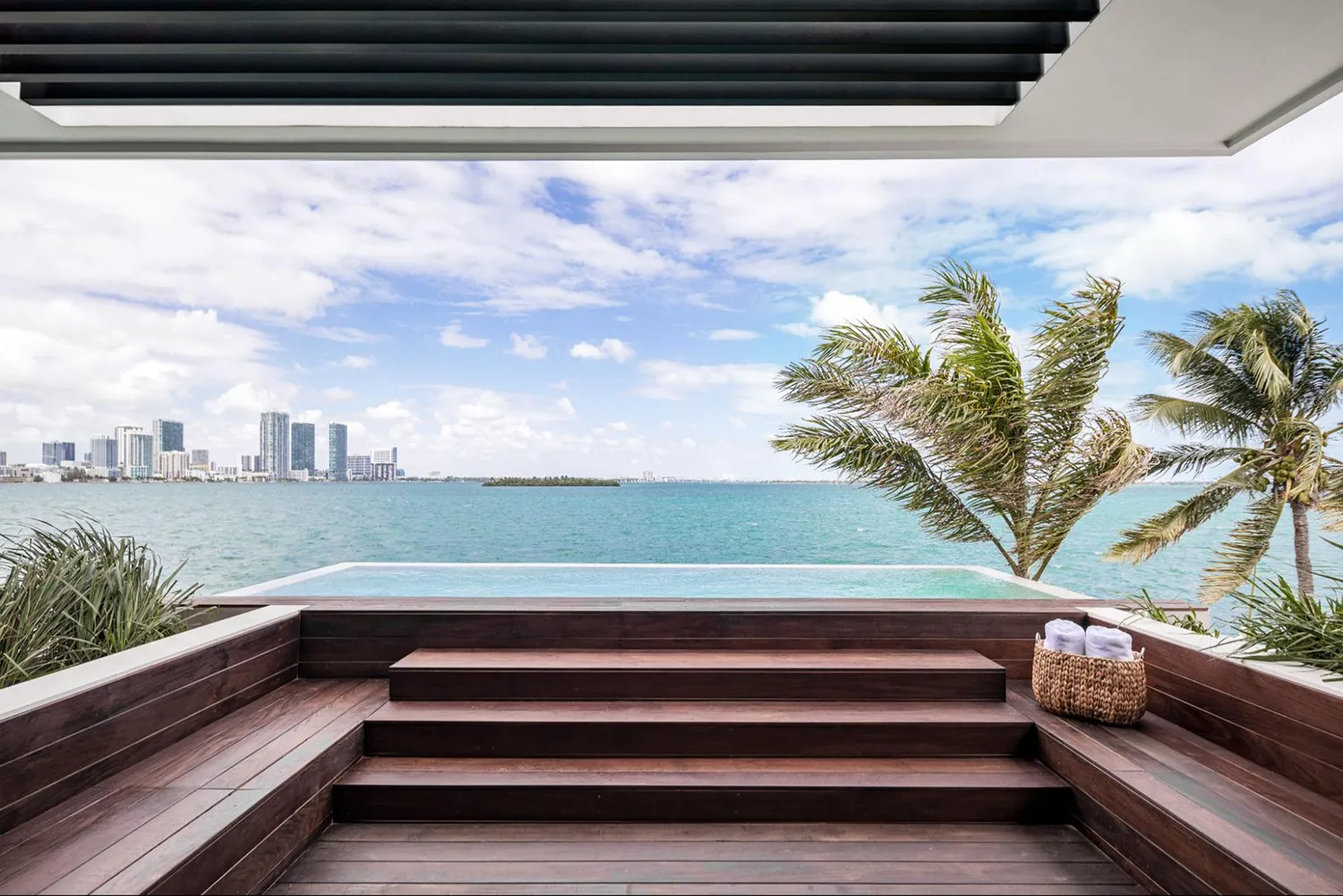
Today’s pools are destinations, not additions.
Infinity edges blur the view. Sun shelves create built-in relaxation zones. Covered cabanas extend comfort into the shade. These water features connect the architecture to the environment, balancing engineering precision with resort-level leisure.
Key Design Tips:
- Level pool decks with main living floors for visual cohesion and a continuous line of sight.
- Add underwater lighting and reflective finishes to amplify evening ambiance.
- On coastal or sloped lots, slightly elevate decks or add perimeter slot drains to manage water without interrupting the visual flow.
When designed with intention, the pool becomes the heart of the home.
Covered Patios & Verandas for Year-Round Comfort
Climate control starts with good design. Covered patios and verandas create comfort through engineered shade, strategic airflow, and durable materials.
Key Design Tips:
- Incorporate retractable canopies or architectural pergolas for flexible shade options.
- Install integrated ceiling fans to encourage consistent airflow on warm days.
- Add motorized screens or louvers to block sun or insects when needed without closing off the space.
- Specify performance-grade pavers or porcelain tile for flooring, and seal wood or metal finishes against salt and moisture exposure.
These outdoor areas protect against heat and rain without closing off the outdoors. The result is a liveable transition zone: open, shaded, and always welcoming.
Smart Home Technology for Indoor-Outdoor Living
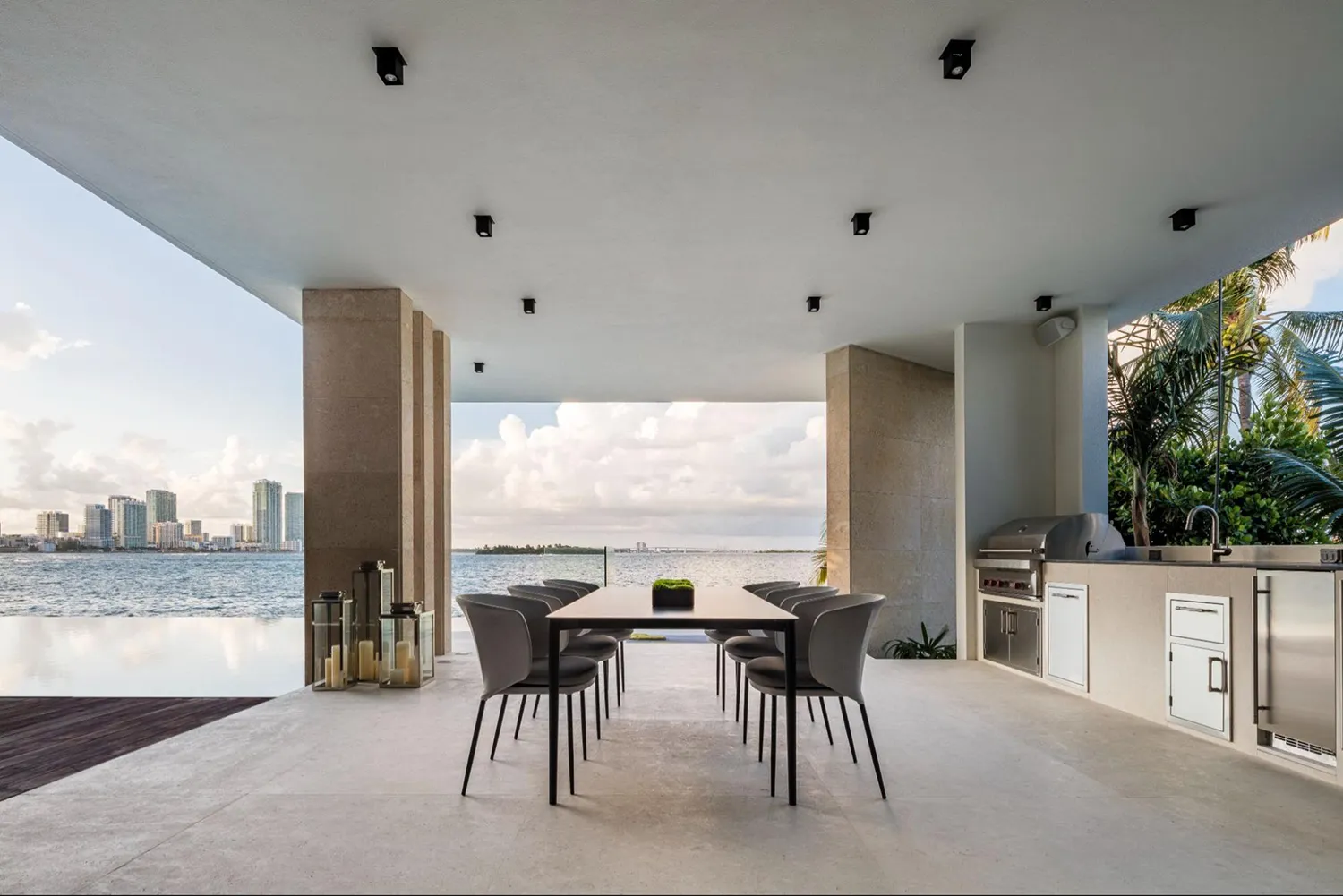
Homes have entered the age of intelligent design, including indoor and outdoor living spaces. Through subtle automation, every element responds to the environment and enhances the experience of being outdoors.
Key Design Tips:
- Incorporate automated lighting scenes to transition the space from day to night.
- Position marine-grade speakers within planters, soffits, or stonework to deliver even sound distribution while preserving visual harmony.
- Use smart controls to adjust shade structures, lighting, and temperature with a single touch or pre-programmed setup.
- Install weather-responsive sensors to retract awnings, close louvered roofs, or adjust irrigation automatically during rain or high winds.
Blending Natural Landscaping with Architecture
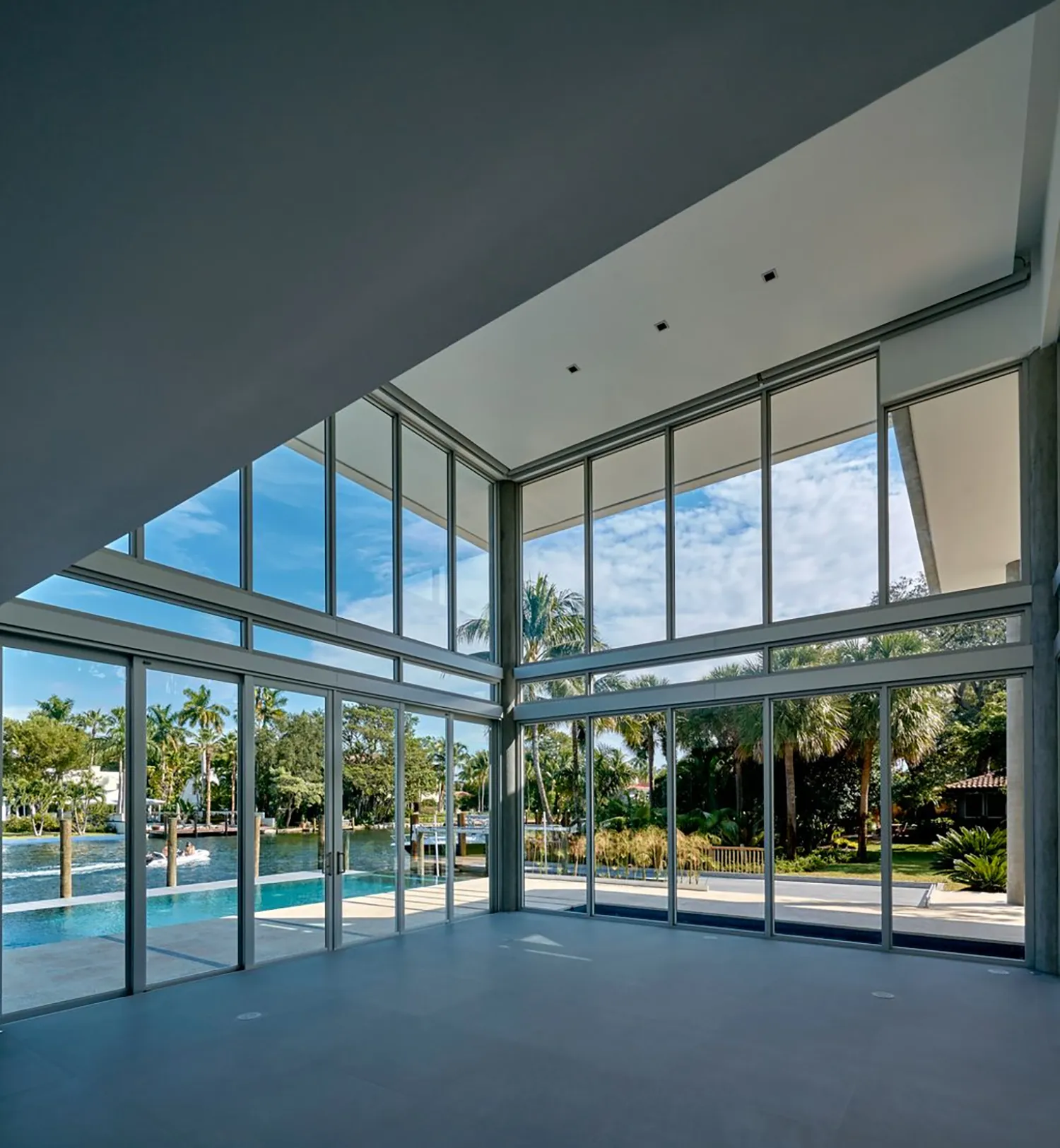
Landscaping bridges the built environment with the natural world, softening architectural lines and framing every view with intention.
Key Design Tips:
- Choose native species like saw palmetto, sea grape, or coontie that thrive in South Florida’s sandy soil and salt air while reducing irrigation needs.
- Combine hardscaping materials — like coral stone or natural wood — with flourishing greenery.
- Integrate reflecting pools, water rills, or low fountains to mirror the rhythm of nearby coastal winds and waves.
Must-Have Design Features for Indoor and Outdoor Spaces
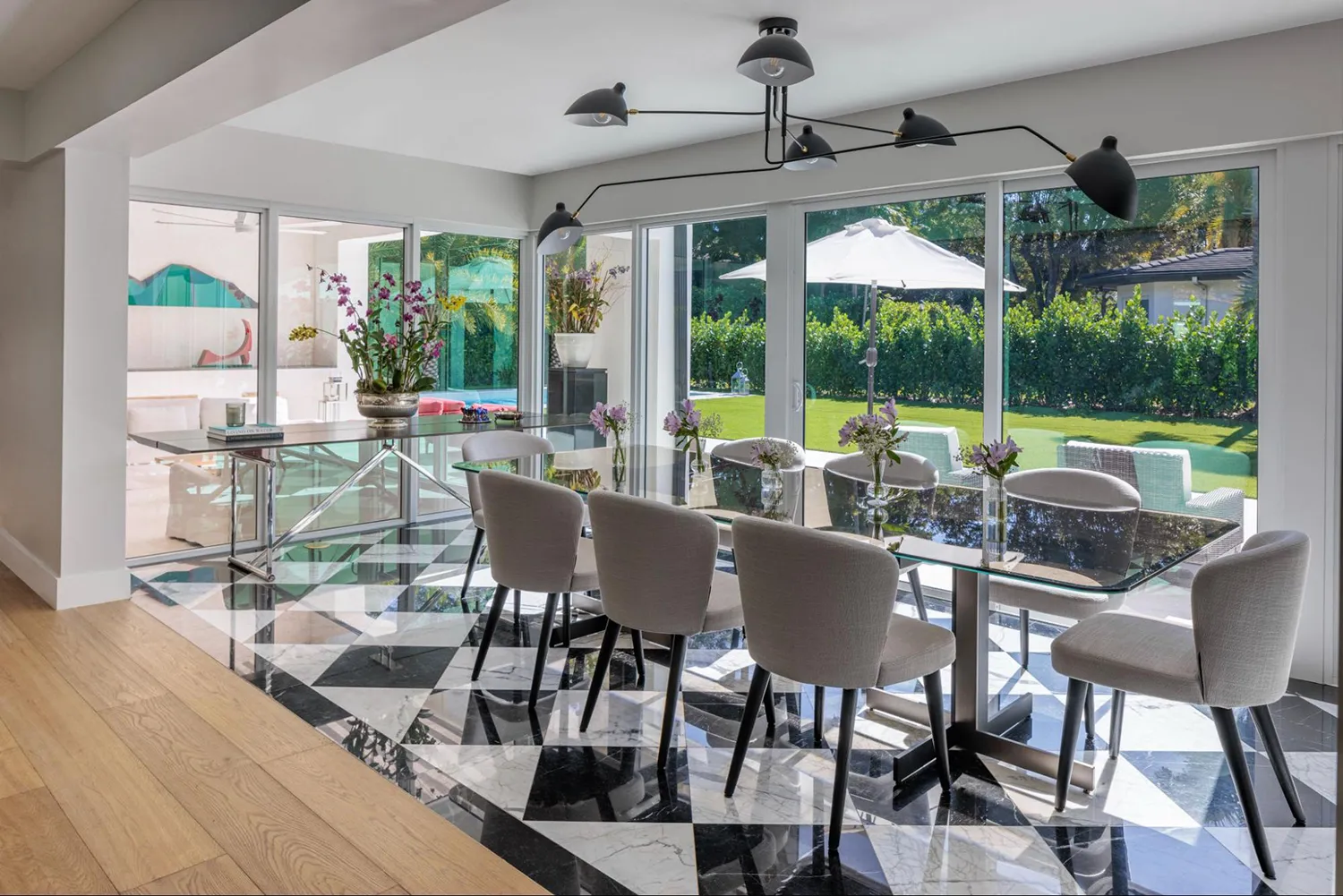
Designing an indoor outdoor living space starts with scale and alignment. Wider openings, consistent floor levels, and cohesive materials create a sense of flow that connects rooms to patios, pools, and gardens without interruption.
Folding or sliding glass doors are among the most effective ways to achieve this connection, as they provide flexibility: They can open for large gatherings, They can be closed when privacy or cooling is needed.
Focus on Structural Fundamentals
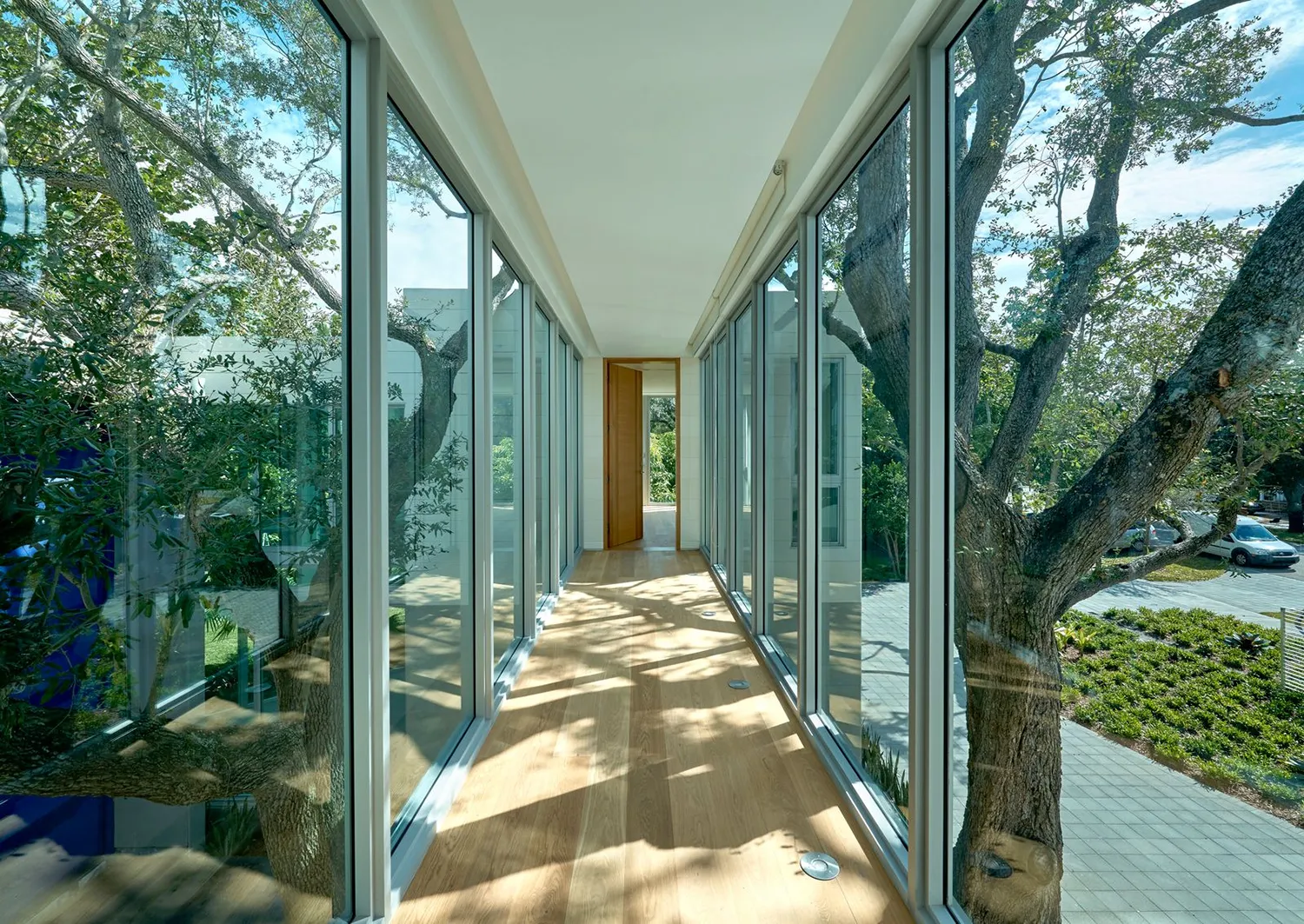
- Proportion and symmetry. Align openings with major interior axes so views and natural light draw the eye outward.
- Frameless transitions. Choose slim-profile glass or pocket door systems to reduce visual barriers while maintaining strength and insulation.
- Level continuity. Coordinate slab elevations early in the construction process to eliminate step-downs and achieve a flush threshold between interior flooring and outdoor decking.
- Climate-ready craftsmanship. Specify marine-grade hardware, corrosion-resistant fasteners, and thermally broken frames to stand up to South Florida’s humidity and coastal conditions.
- Integrated lighting and drainage. Concealed perimeter lighting and subtle trench drains maintain function without disrupting design lines.
Creating a Blended Lounge Space
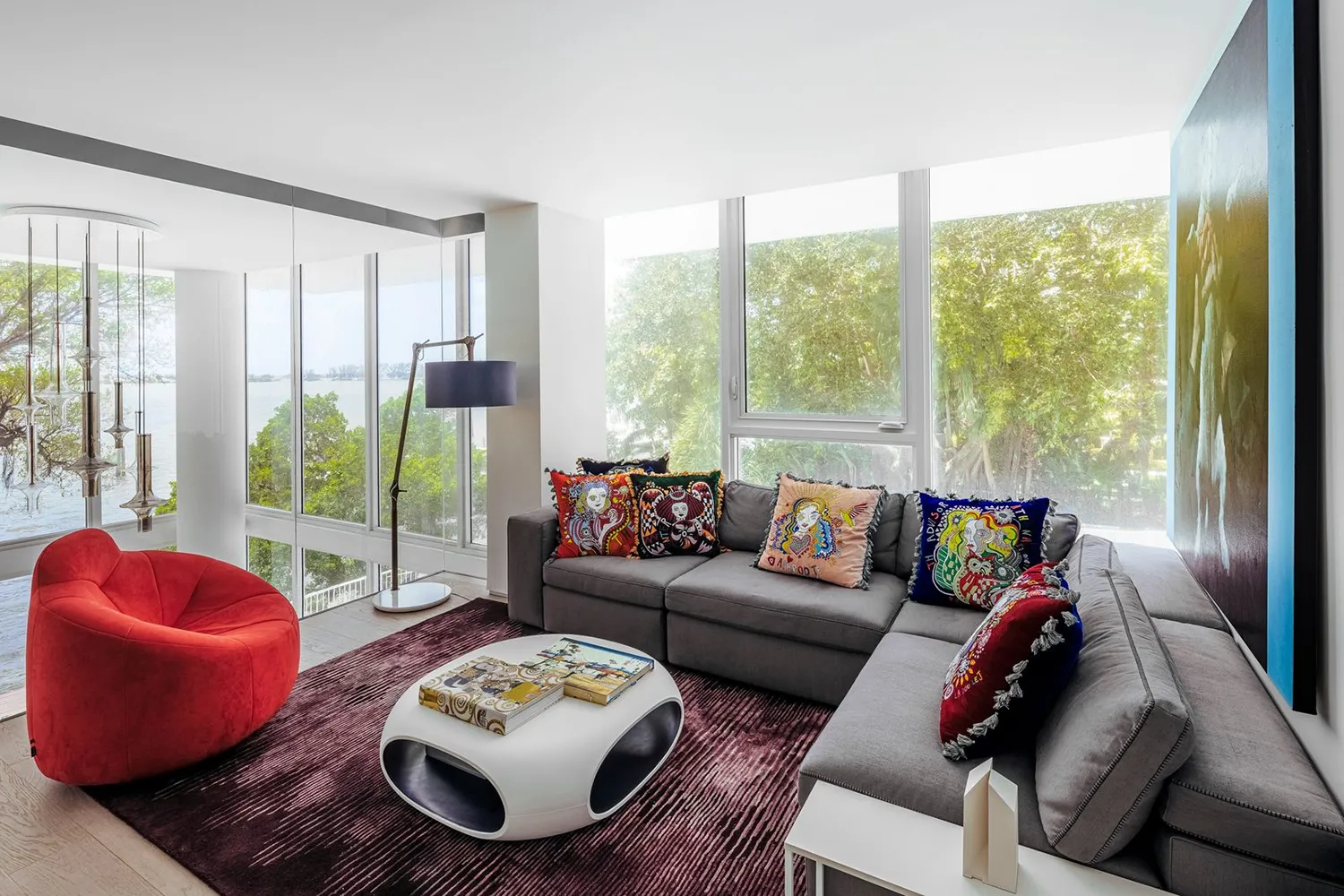
Designing a blended lounge area is about aligning structure, materials, and scale so interior and exterior zones function as one. Proper drainage, UV-resistant fabrics, and durable flooring ensure the space performs as beautifully as it looks.
Blended Lounge Space Design Principles
- Incorporate deep seating, cushioned sectionals, and weather-ready fabrics for comfort and longevity.
- Opt for teak, stone, or powder-coated materials that can handle South Florida’s humidity.
- Carry interior space palettes and textures outdoors for a cohesive aesthetic.
- Arrange furniture around views and natural light, encouraging conversation and flow.
- Use rugs, greenery, and lighting to define areas without closing them off with walls.
A well-planned lounge creates balance. It’s comfortable enough for daily use, but refined enough for entertaining guests year-round.
Contact the HCD Group team today to schedule a consultation and explore how indoor-outdoor living can transform your home.
Outdoor Entertainment Area Ideas
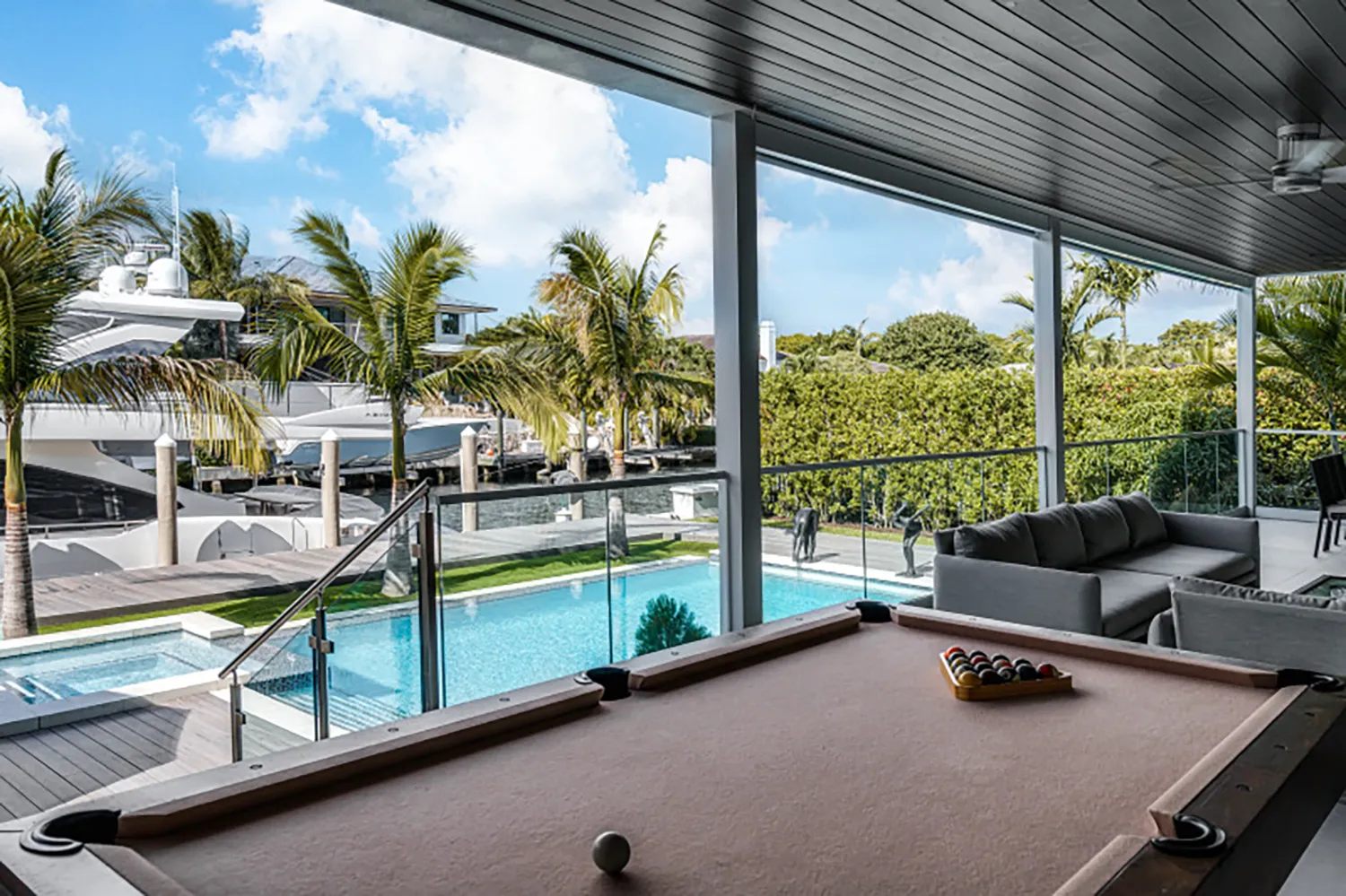
True entertainment design is about rhythm.
How people move, interact, and connect.
The best culinary spaces consider this flow from the start, integrating media, seating, and comfort features.
Start with the Essentials
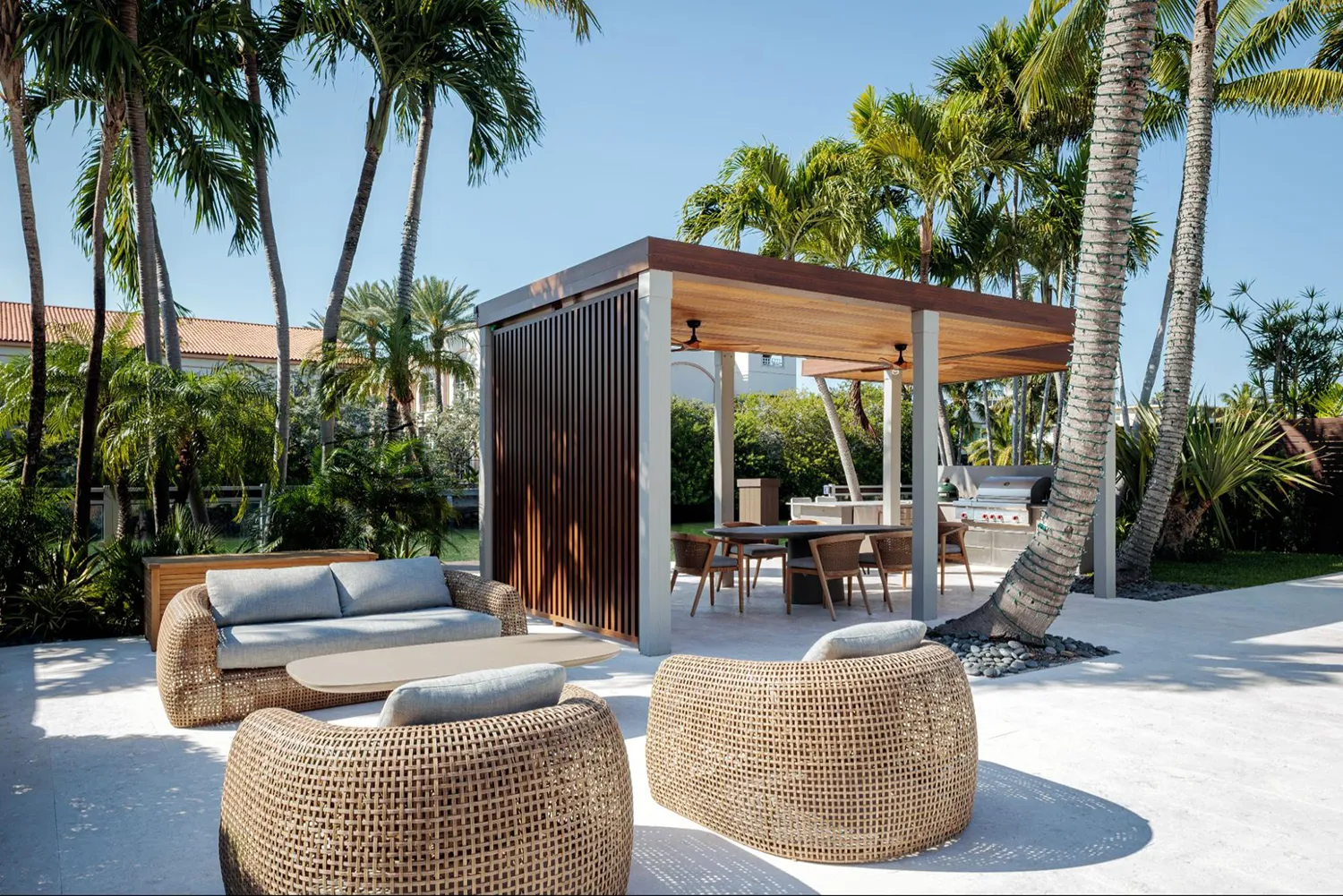
Incorporate weather-rated outdoor TVs, built-in sound systems, and discreet wiring for a clean aesthetic. Outdoor media setups should enhance the space without overwhelming it.
Create All-Weather Comfort
Patio covers, pergolas, or retractable awnings protect electronics while keeping the space usable year-round. Ceiling fans and outdoor heaters help maintain comfort through South Florida’s changing temperatures.
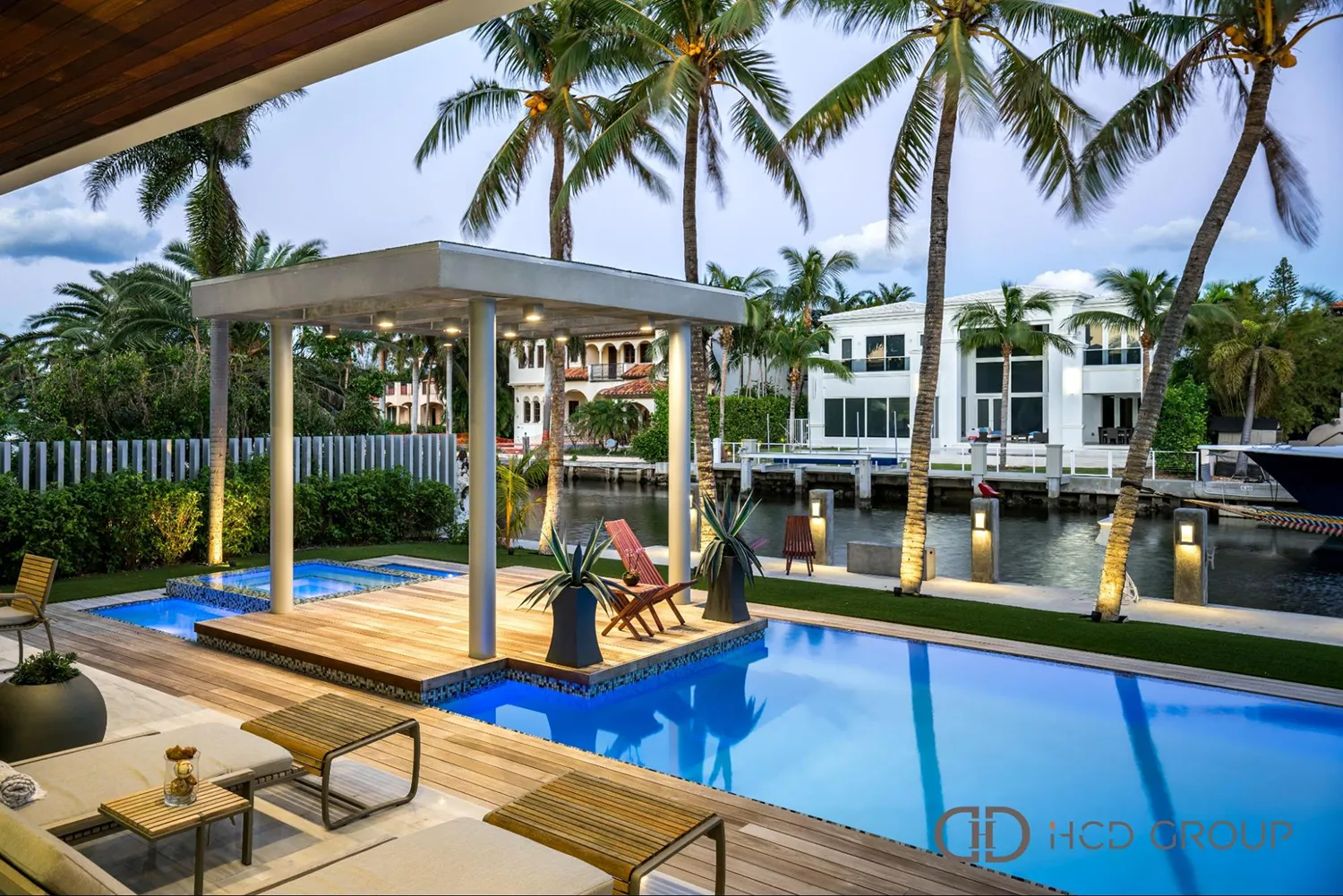
Add Atmosphere
Accent lighting, integrated speakers, and a central fire pit feature bring warmth and dimension.
A well-planned entertainment area balances comfort and construction detail. Strategic wiring, built-in storage, and weatherproof finishes ensure the setup performs season after season. No tangled cords, no quick fixes, just clean design that supports connection and use.
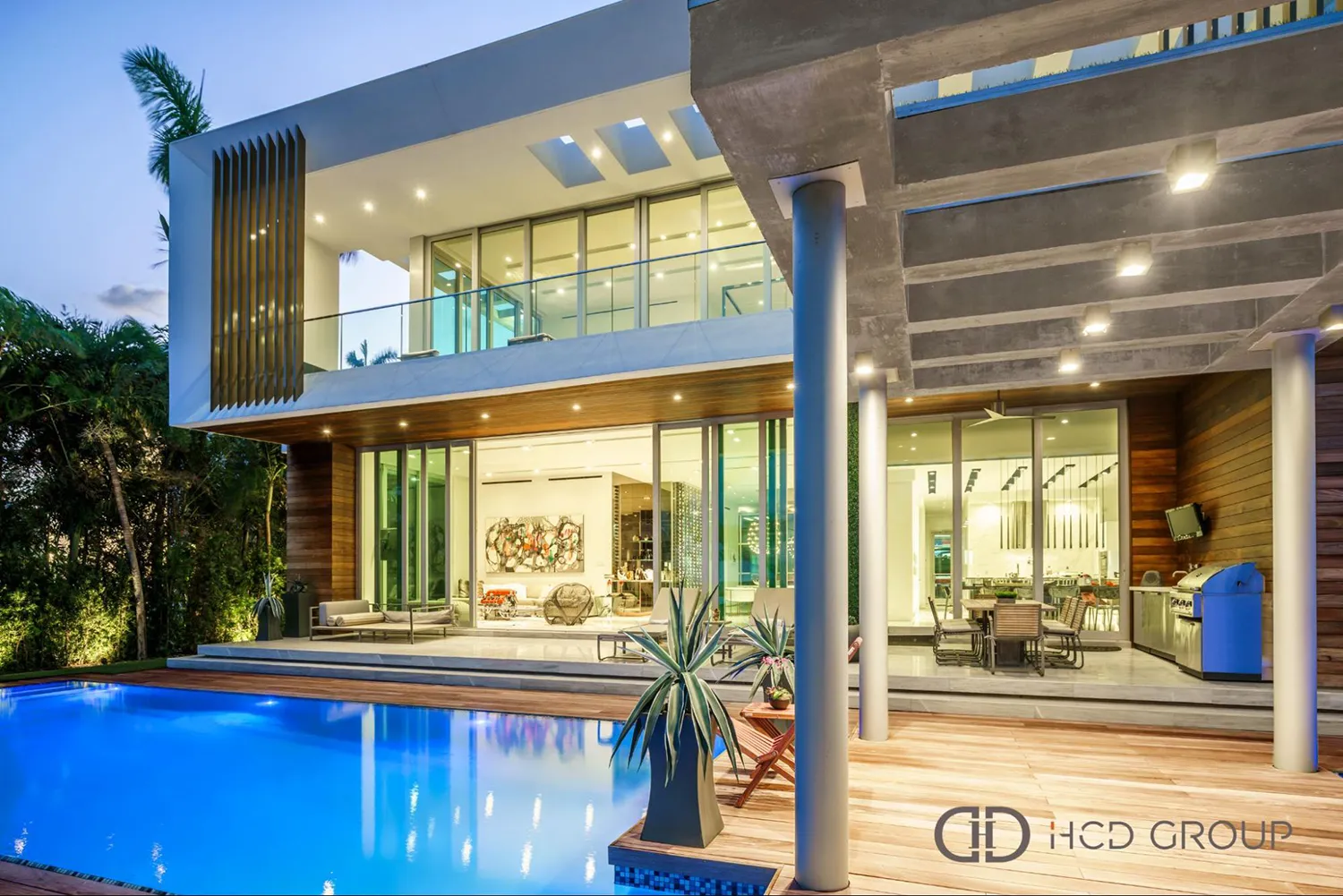
Dining Area Design
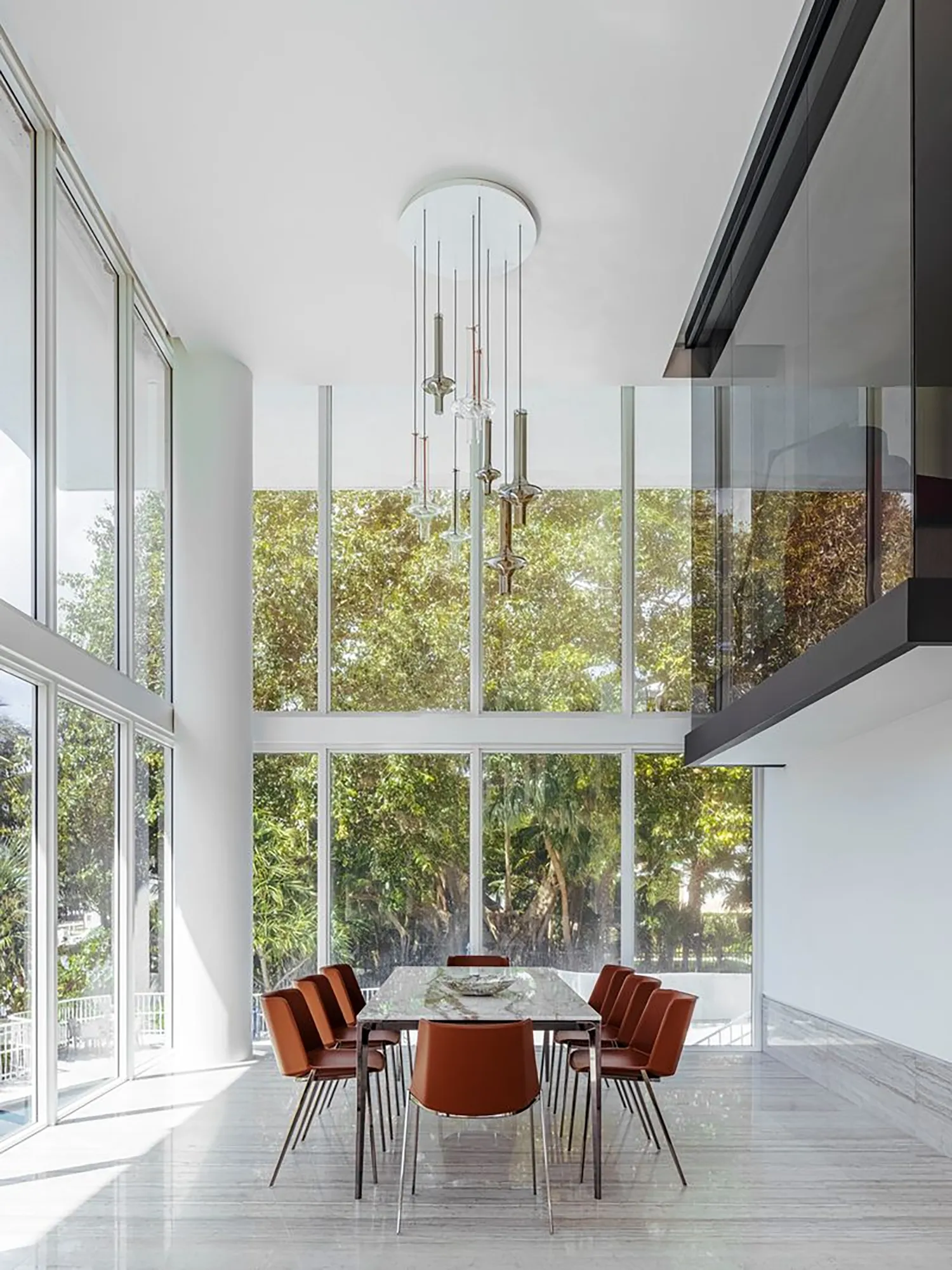
Outdoor dining areas extend the rhythm of the kitchen into the open air. When placed adjacent to interior cooking spaces, they make alfresco dining and hosting simple.
A seamless transition depends on the details. Wide folding french doors or retractable glass panels eliminate barriers, while a built-in pass-through or serving ledge keeps plates and platters within easy reach.
Key Design Tips:
- Keep dining areas within a few steps of the kitchen to shorten travel distance and encourage natural hosting flow.
- Add concealed cabinetry for dishware, linens, and grilling tools to streamline hosting without clutter.
- Opt for heat-resistant tabletops such as Dekton, granite, or sealed concrete that withstand both sunlight and rain.
- Choose upholstered, weather-resistant seating and consider built-in banquettes for larger gatherings.
Indoor-Outdoor Living Tips
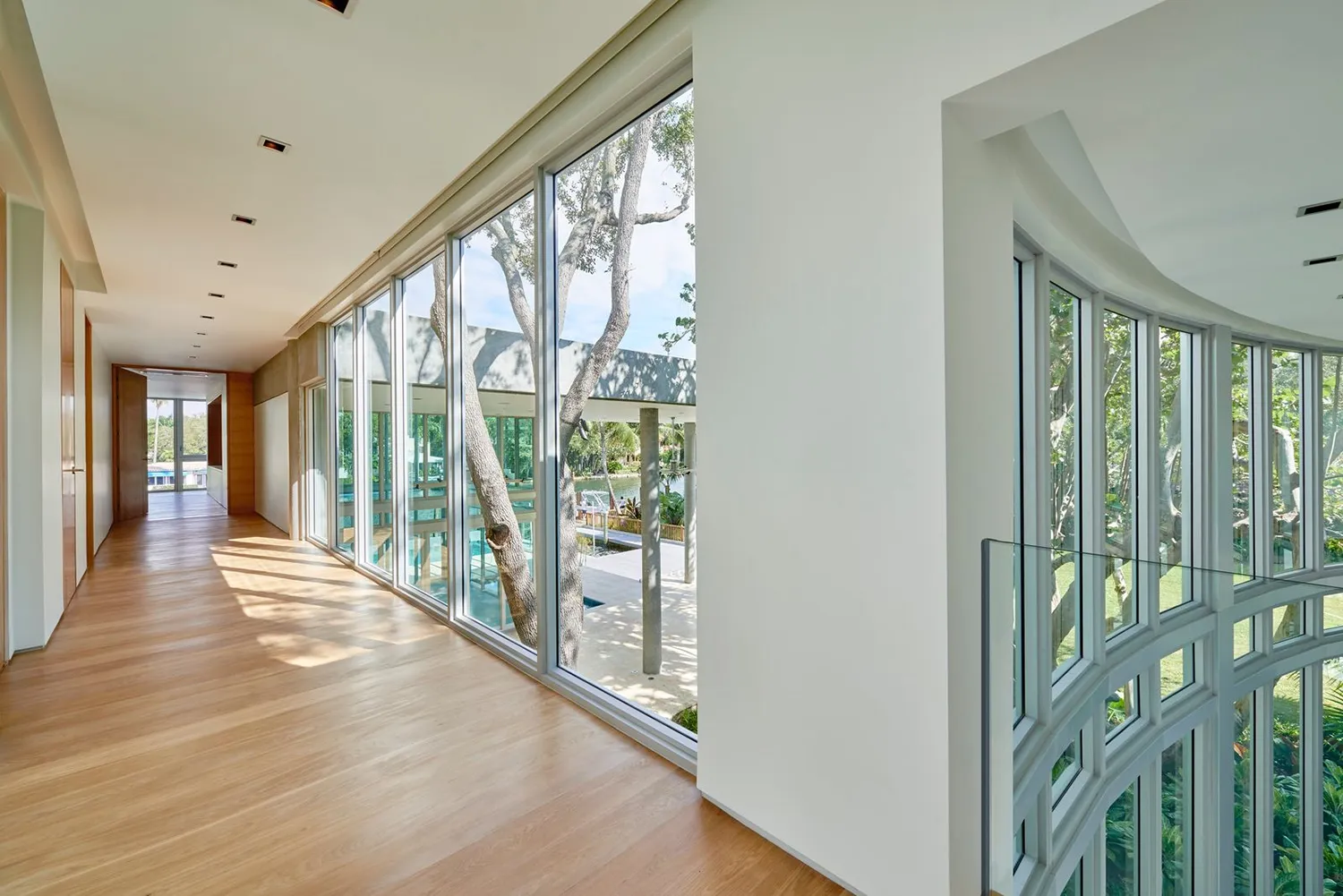
Indoor-outdoor spaces should feel intuitive. The doors open, the breeze moves through, and everything just works. Achieving that level of simplicity takes intention—from layout and orientation to material durability and climate control.
Define Each Area with Purpose
Every space should serve a clear function.
- Dining
- Lounging
- Entertaining
- Relaxing
Define Each Area with Purpose
Mirror your home’s architectural style and materials outdoors. Using the same flooring, color palette, or trim details creates a seamless transition between spaces.
Plan for Protection
Provide adequate cover with pergolas, canopies, or extended rooflines to shield from rain and sun.
Manage Temperature and Airflow
Incorporate ceiling fans, outdoor heaters, or misting systems to keep the environment comfortable through every season.
Integrate smart connectivity
Link indoor and outdoor spaces to Wi-Fi, lighting, and audio systems to ensure convenience and entertainment flow as smoothly as the design itself.
Bringing the Indoors Outside
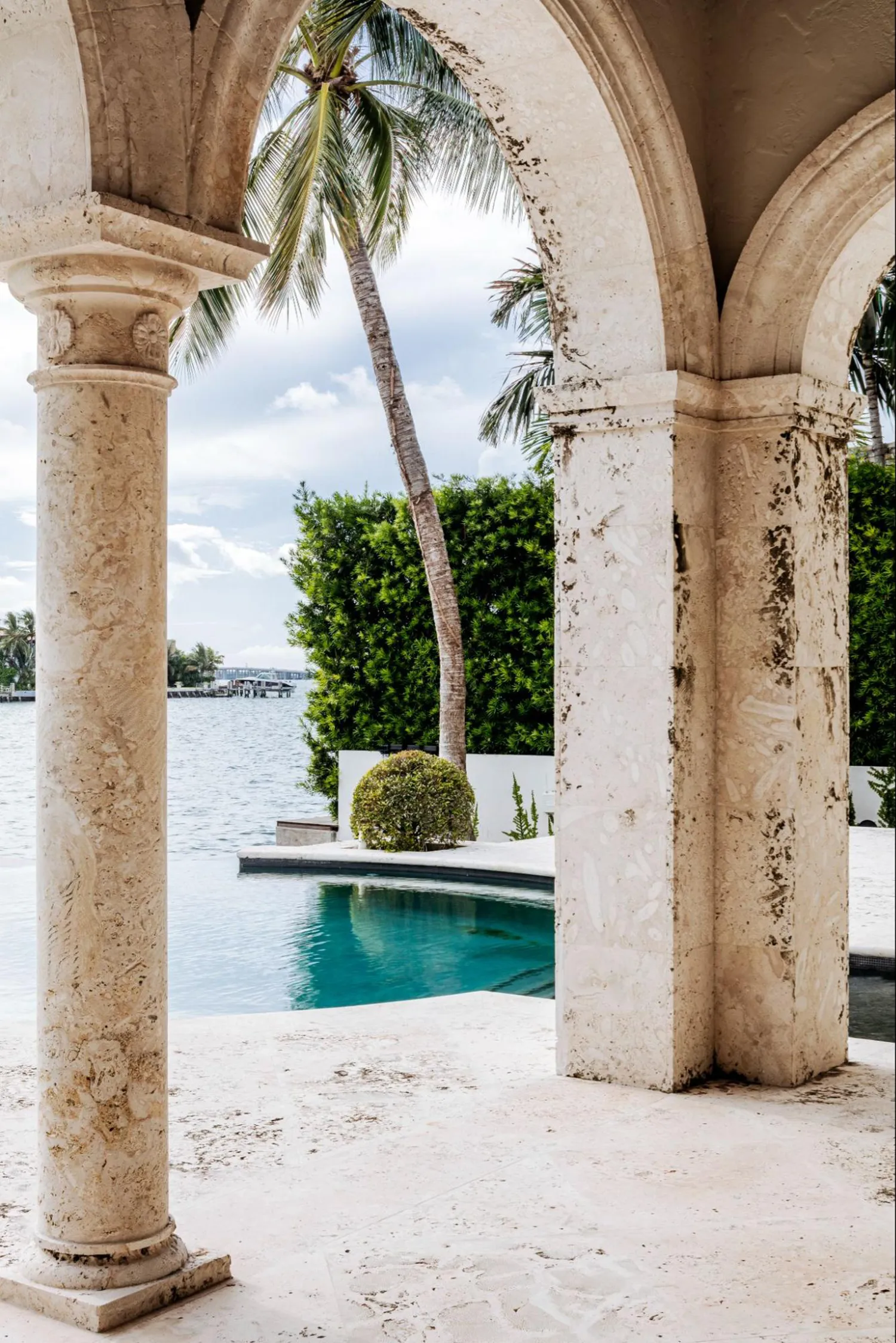
The most memorable homes don’t separate the indoors from the outdoors; they let them flow together. When doors slide open and light spills across matching floors, a house begins to breathe. The line between architecture and environment fades into something softer, more human.
These spaces become gathering places, reading nooks, and quiet morning sanctuaries. With thoughtfully chosen materials and durable, design-forward furnishings, these areas carry the same luxury and refinement found inside.
What defines this approach isn’t size or scale, it’s intention.
Each choice, from lighting to layout, supports connection and ease. When done well, the transition between interior and exterior disappears, leaving only the feeling of an expanded home.
Best Materials and Textures for Your Indoor Outdoor Space
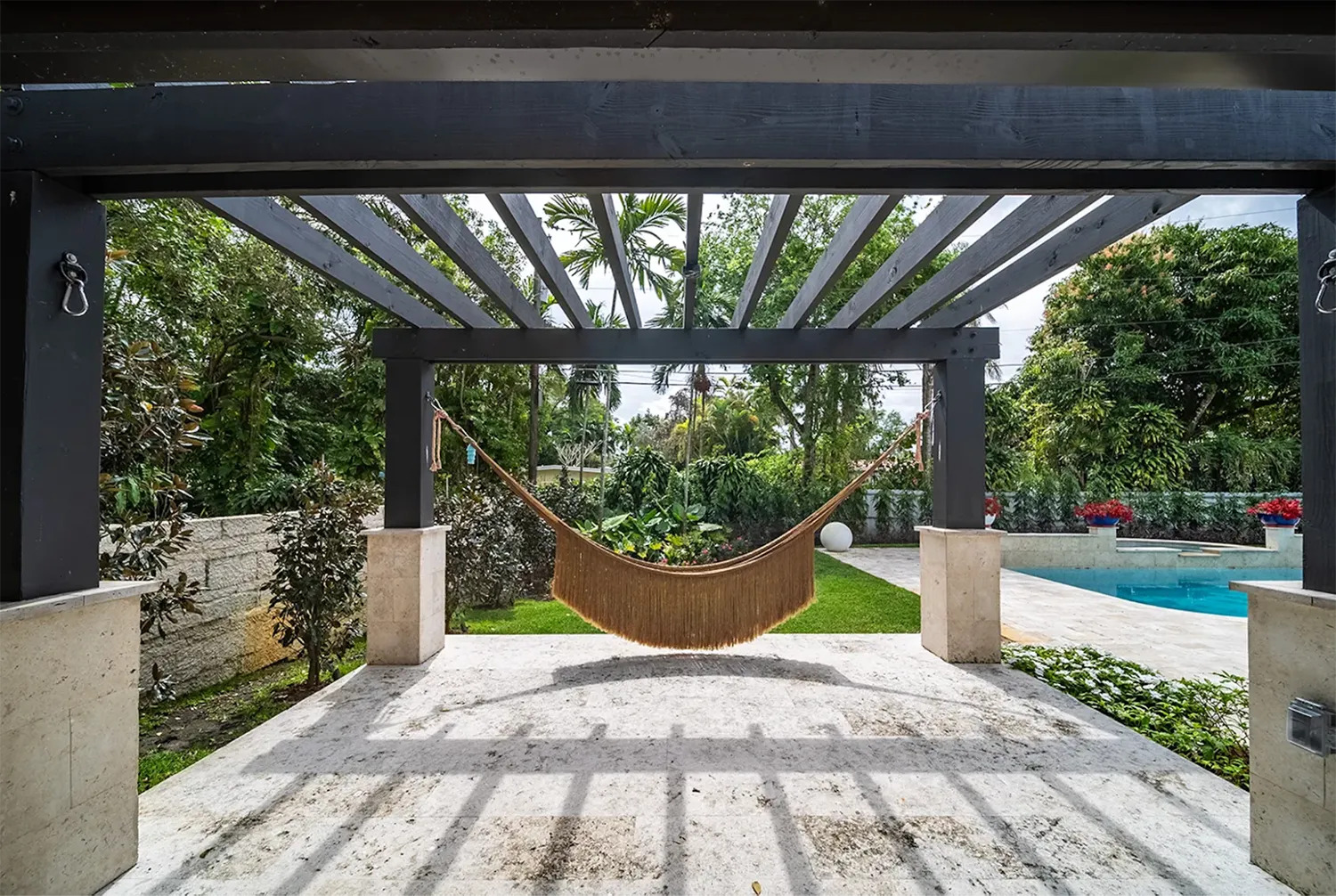
The success of indoor outdoor living lies in the details. The surfaces you touch, the tones you see, and the materials that bridge two environments into one.
Creating cohesion between spaces starts with texture and tone. These design principles guide the construction process:
- Select outdoor pieces that share the same design language, clean lines, warm tones, or subtle detailing, to maintain harmony without mirroring every element.
- Choose materials that age beautifully. Opt for teak, ipe, aluminum, or high-performance fabrics designed to handle humidity, salt air, and sun exposure while developing a natural patina over time.
- Add texture intentionally. Combine woven fibers, smooth stone, and soft upholstery to create depth and comfort. The mix of tactile surfaces helps blur where the indoors end and the outdoors begin.
- Work within a unified palette. Carry color families, like soft neutrals, mineral grays, or sand-toned woods, through both spaces for understated flow.
- Play with contrast. Pair sleek architectural finishes with organic textures such as linen or rattan. The interplay of structure and softness gives the space energy and sophistication.
Maintenance and Upkeep
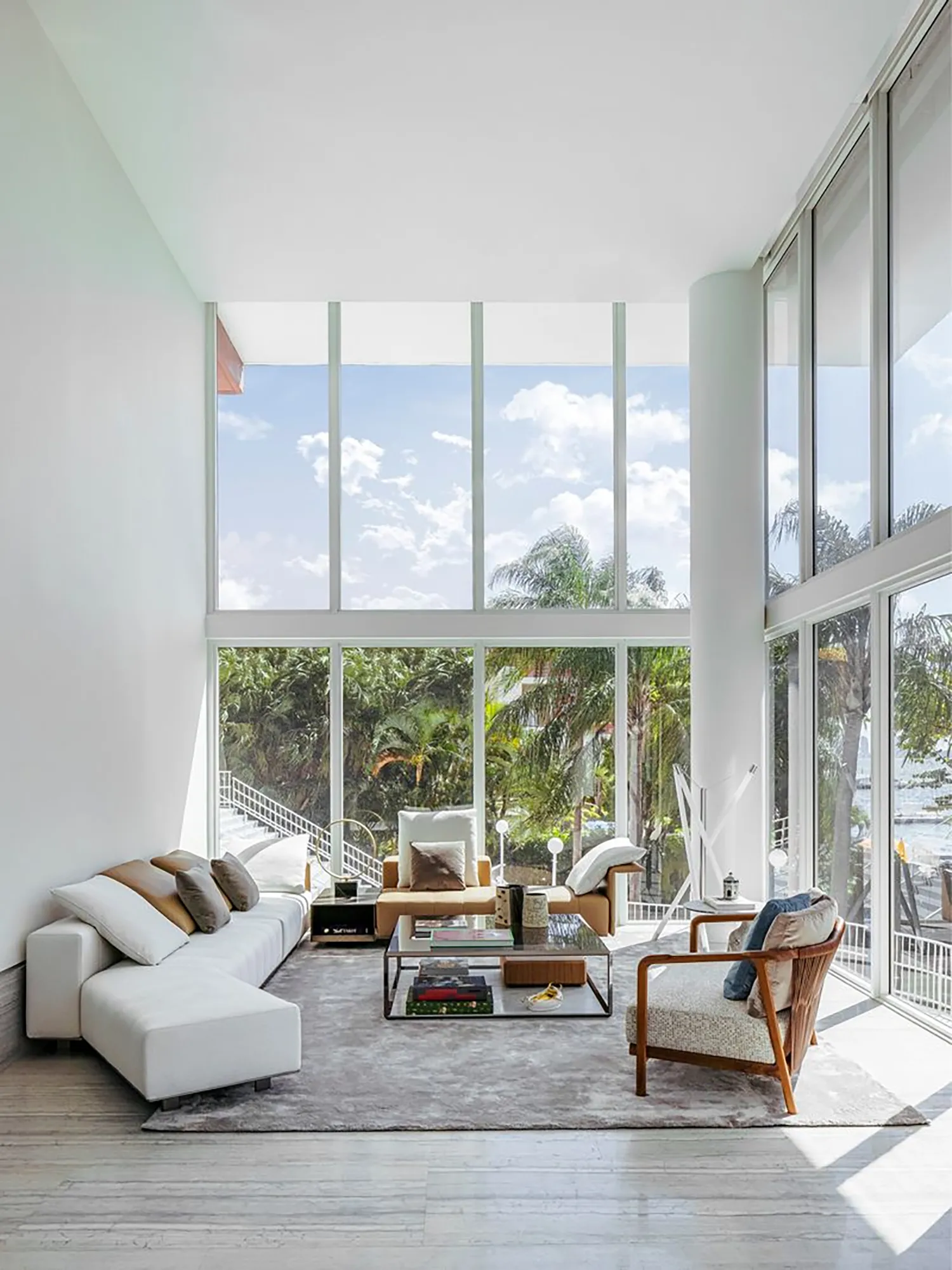
Outdoor living areas endure constant exposure to the elements. Routine maintenance keeps them functional and ready to enjoy year-round.
Recommended Upkeep and Maintenance Tips
- Clean regularly. Remove dirt, pollen, and salt from outdoor furniture, floors, and fixtures to prevent surface wear.
- Inspect for damage. Check joints, decking, and hardware every few months to catch corrosion early.
- Protect electronics. Use covers or enclosures for TVs, speakers, and lighting to extend lifespan.
- Preserve soft materials. Rotate or replace cushions and rugs to maintain texture and vibrancy.
- Declutter. Keep surfaces open and organized to retain a clean, spacious aesthetic.
When care becomes part of the design routine, the space maintains its elegance, and your investment continues to pay off in both form and function.
Elevate Your Lifestyle with Indoor-Outdoor Living
Indoor outdoor living transforms the home from a fixed structure into a living, breathing experience. It’s where design meets lifestyle and spaces that invite light, air, and conversation to move freely between indoors and out.
Picture an evening that starts in the kitchen and drifts toward the terrace. The sound of music carries through retractable doors. Dinner simmers outside beside a built-in grill, while friends gather near the fire feature under soft lighting. The space feels unified. Intentional, but never forced.
Frequently Asked Questions: Indoor-Outdoor Living Spaces
What is an indoor/outdoor living space?
An indoor outdoor living space is a design concept that connects the home’s interior with exterior areas; typically through large openings, matching materials, and continuous sightlines. The goal is to create a seamless transition that expands usable space and enhances light, airflow, and connection to nature.
What is an indoor/outdoor room called?
These indoor outdoor spaces are often called “transitional rooms” or “hybrid living areas.” They may take the form of covered patios, verandas, or enclosed lanais that open fully to the outdoors through glass doors or retractable walls.
How much does it cost to build an outdoor living area?
Costs vary depending on size, materials, and features. In South Florida, a custom-designed outdoor living area can range from $40,000 for smaller layouts to $300,000 or more for full luxury extensions with kitchens, pools, or structural integrations.
What are outdoor living spaces called?
These outdoor spaces can include patios, terraces, verandas, courtyards, or decks. Each space serves different architectural types and functional purposes.
How do you design an indoor outdoor living space?
When deciding how to design an indoor outdoor living space, begin by aligning materials, floor levels, and architecture between interior and exterior zones. Incorporate wide openings, consistent finishes, and climate-ready furnishings. Work with an experienced South Florida general contractor, like HCD Group, to ensure both design and structure perform seamlessly.
Schedule a consultation with our team today.
How much does an outdoor living space increase home value?
Outdoor living areas are among the most desirable home upgrades. High-quality designs can increase property value by 8–12%, depending on functionality, craftsmanship, and integration with the home’s architecture.
How to transform your outdoor space into a cozy place to hang out?
Focus on comfort, lighting, and texture. Combine soft seating with layered textiles, add ambient or string lighting, and incorporate natural elements like plants, stone, and wood to create warmth.